Does a 20-Minute Nap Actually Reset Your Circadian Clock, or Make the 3PM Slump Worse?
Quick Answer: A 20-minute nap taken between 1pm and 3pm doesn’t reset your circadian clock — it works around it, using the body’s natural afternoon dip without disrupting nighttime sleep pressure. Naps after 4pm or longer than 30 minutes are what push the clock off track.
The 3pm slump isn’t a personal failing or a sign you need more coffee — it’s a predictable dip built into your circadian rhythm. Whether a nap helps or backfires comes down almost entirely to two variables: when, and how long, and getting either wrong can leave you groggier than if you’d skipped the nap altogether.
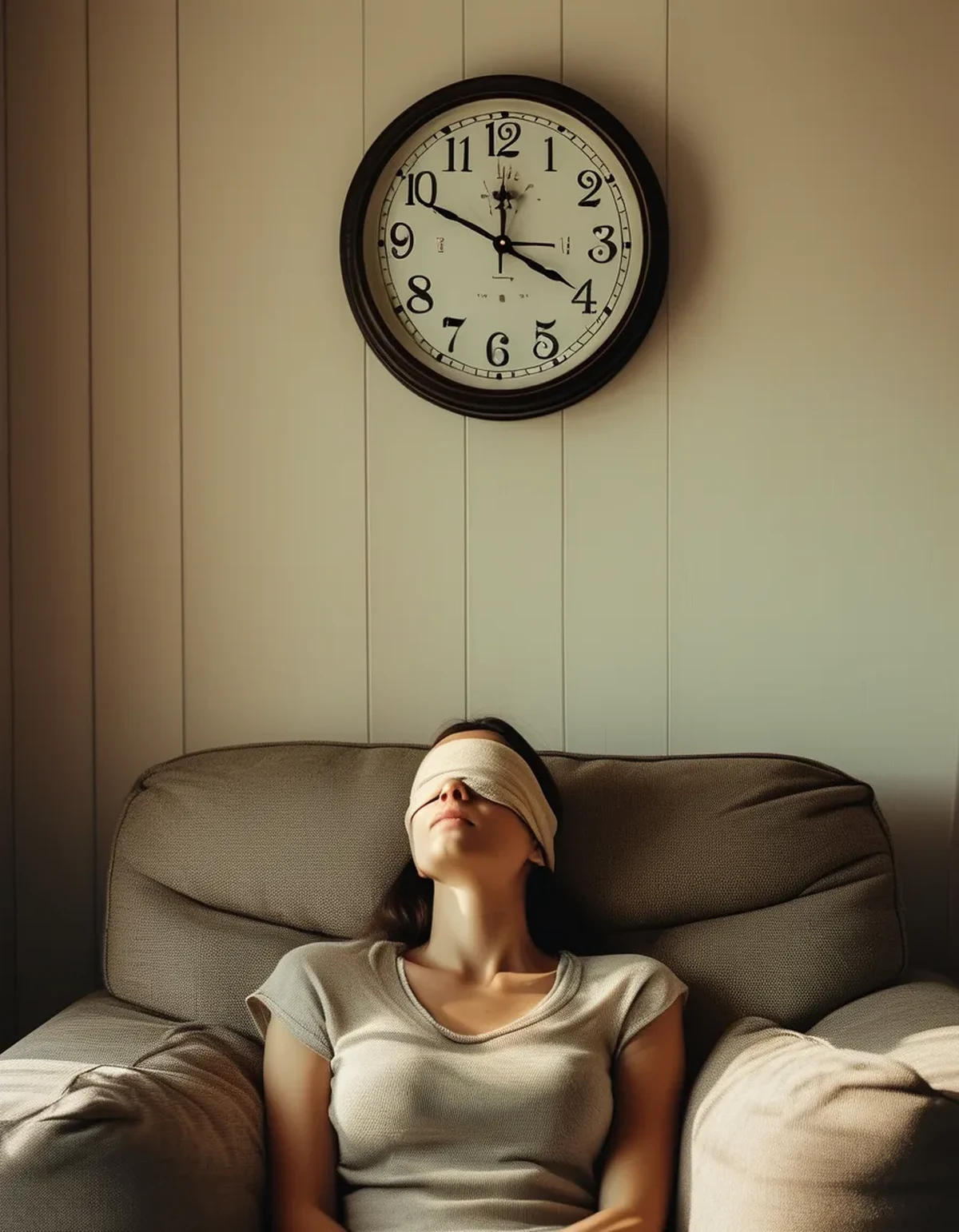
Why Does the 3PM Slump Happen at All?
Your circadian rhythm produces a natural dip in alertness roughly 7-9 hours after waking, independent of how much sleep you got the night before or what you ate at lunch. This is a real biological low point, not purely a post-lunch food coma, which is why it hits fairly reliably around the same time even on days you skip lunch entirely, and it’s the same mechanism behind the natural sleepiness many cultures have historically built an afternoon rest period around.
Does a Short Nap Actually ‘Reset’ Anything?
Not in the sense of resetting your master body clock — that clock is primarily driven by light exposure, not naps, and no amount of daytime napping changes when your body naturally wants to sleep at night. What a short nap does is temporarily clear accumulated sleep pressure (a buildup of a chemical called adenosine) enough to restore alertness through the rest of the afternoon, without touching enough total sleep pressure to interfere with falling asleep that night. Think of it less as a reset button and more as a pressure-release valve — the underlying clock keeps running on its own schedule regardless.
The Nap Window That Works
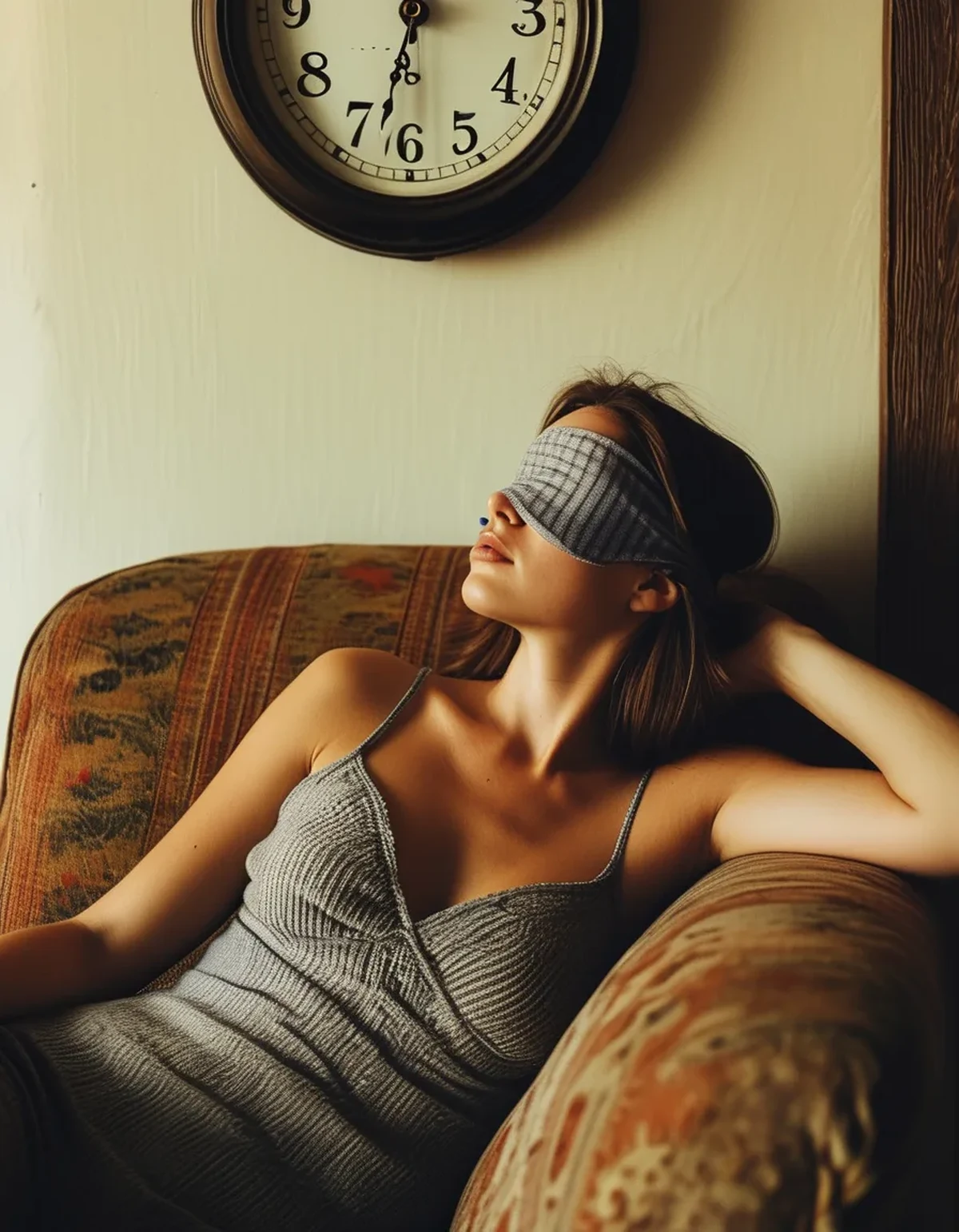
A 15-20 minute nap taken between 1pm and 3pm hits the sweet spot: long enough to feel refreshed, short enough to avoid dropping into deep sleep (which causes grogginess on waking, called sleep inertia), and early enough that it doesn’t eat into nighttime sleep pressure. Set an alarm — the goal is a light doze, not a full sleep cycle, and even lying still with eyes closed without fully falling asleep during that window can deliver a meaningful share of the benefit.
Myth vs Fact: Napping and the Body Clock
Myth: any nap length is fine as long as it happens in the afternoon. Fact: naps past 30 minutes risk entering deep sleep, which causes grogginess for 20-30 minutes after waking (sleep inertia) and can measurably reduce nighttime sleep pressure, making it harder to fall asleep at your normal bedtime that same night.
Myth: a nap after 4 or 5pm is basically the same as an earlier one. Fact: late naps sit close enough to bedtime that they directly compete with nighttime sleep pressure, which is the single most common way a well-intentioned nap backfires into worse sleep that night and a rougher next-day slump, creating a cycle where each day’s nap gets pushed later trying to compensate for the last poor night.
FAQ: Napping and Circadian Rhythm Questions, Answered
What if I don’t have anywhere private to nap during the workday?
A 10-minute eyes-closed rest at a desk, even without falling fully asleep, still measurably reduces perceived fatigue — it doesn’t need to be a full nap in a bed to help, and the low bar makes it realistic even in an open office.
Does caffeine before a nap help or hurt?
A ‘caffeine nap’ — coffee right before a 20-minute nap — can actually work well, since caffeine takes about 20 minutes to kick in, timing its alertness boost right as you wake, stacking two separate alertness mechanisms rather than relying on just one.
I napped and still feel groggy — what went wrong?
Most likely the nap ran long enough to hit deep sleep, or it started too late in the afternoon — try cutting it to 15 minutes with an alarm and shifting it earlier, before 2:30pm, and see whether the grogginess clears up.
Is it better to nap or just push through the slump with more coffee?
A short, well-timed nap and caffeine aren’t actually competing strategies — many people get the best result from a smaller dose of caffeine earlier in the day, paired with a properly timed short nap, rather than escalating caffeine alone through the whole afternoon, which tends to interfere with that night’s sleep more than a short nap would.
Does everyone experience the same intensity of 3pm slump?
No — the dip’s intensity varies by individual sleep debt, age, and even chronotype (whether you’re naturally more of a morning or evening person), which is part of why some people barely notice it while others feel it strongly enough to need a coping strategy every single afternoon.
TL;DR:
- The 3pm slump is a real circadian dip, not just lunch or lack of coffee
- A short nap doesn’t reset your body clock — it works around it by clearing sleep pressure
- The effective window is 15-20 minutes, between 1pm and 3pm
- Naps past 30 minutes or after 4pm risk grogginess and worse sleep that night
The difference between a nap that helps and one that backfires isn’t willpower or luck — it’s almost entirely the alarm clock you did or didn’t set.
Keep Reading
This article is for general informational purposes only and is not medical advice. Always consult a qualified health professional for guidance specific to you.